
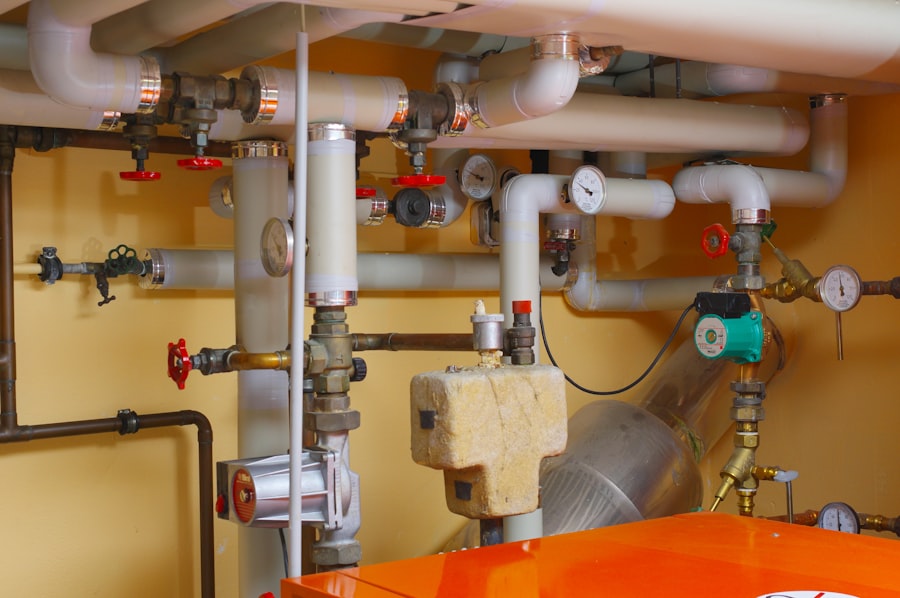
When a pipe lets go or a fixture starts gushing, the single most useful thing you can do is shut off the water fast. The problem is that most homeowners have never located their main valve, let alone turned it. Let's fix that today, before there's an emergency.
Why This One Skill Matters So Much
Water that keeps flowing after a leak starts is what turns a small problem into a flooded basement and a five-figure repair. The faster you stop the flow, the less damage you deal with. In older Aurora and Newmarket homes especially, a single burst supply line can dump a surprising amount of water in just a few minutes.
Shutting the main valve also makes any DIY plumbing job safer, from swapping a faucet to replacing a toilet fill valve. No water means no surprises.
Where to Find Your Main Shut-Off Valve
In most York Region homes, the main valve sits where the municipal water line enters the house. Common spots include:
- On the basement wall facing the street, often near the water meter
- Inside a utility or mechanical room close to the furnace and hot water tank
- In a crawl space or near the front foundation wall
- Occasionally in an exterior valve box outside, especially with newer builds
The valve usually sits just before or after the water meter. It will be either a round wheel-style handle or a straight lever.
How to Actually Shut It Off
The two valve types work a little differently:
- Lever (ball valve): turn the handle a quarter turn so it sits crosswise to the pipe. When the lever is in line with the pipe, water is on; perpendicular means off.
- Wheel (gate valve): turn it clockwise, righty-tighty, until it stops. These can be stiff, so turn slowly and steadily rather than forcing it.
After the valve is closed, open a faucet on the lowest level of the house to relieve pressure and confirm the water has stopped.
Test It Before You Ever Need It
Valves that sit untouched for years can seize or leak when you finally turn them. Once or twice a year, do a quick check:
- Locate the valve and make sure nothing is stacked in front of it
- Gently open and close it to keep it from sticking
- Watch for drips around the valve body afterward
- Show every adult in the house where it is
If the valve is stuck, corroded, or weeps when you turn it, do not force it. A seized main valve is a common find in older Richmond Hill and Aurora homes, and it is far better to replace it on a calm afternoon than during a flood.
A Few Things to Keep Nearby
Keep a flashlight near the valve and consider tagging it with a label so anyone can find it in a panic. If your home has a separate outdoor shut-off for irrigation or a hose bib, know where that is too.
Knowing how to shut off your water is one of the best five-minute investments you can make as a homeowner. If you can't find your valve, it won't budge, or you'd like it inspected or replaced, the team at Plumber On Dial is here to help across Aurora and York Region. Call us anytime at (647) 424-2165, including for 24/7 emergencies.